OpenClaw was the fastest-growing open source project of all time. It caused literal Mac Mini shortages. It created an entirely new category of AI software — the personal AI agent that runs 24/7 on your local hardware, controlled from your phone via Telegram or WhatsApp.
Then Anthropic shipped Computer Use in Cowork, Dispatch, and a wave of Claude Code updates. In 52 days, the Claude team pushed 74 releases. And suddenly, the question everyone is asking: is OpenClaw cooked?
As Ethan Mollick put it, Claude’s new features cover “90% of everything he wanted to use OpenClaw for” — and they’re “far less likely to post his personal information on the internet.” That’s both a compliment and a burn.
Here’s my take after spending time with both: Claude Code and the broader Claude ecosystem have surpassed OpenClaw for most users. But “most” is doing heavy lifting in that sentence.
What Anthropic Actually Shipped
Let’s break down what landed in the last few months, because the pace has been staggering.
Computer Use in Cowork

Claude can now control your Mac desktop. It opens apps, navigates browsers, fills in spreadsheets, clicks buttons — anything you do sitting at your desk. When Claude doesn’t have a native connector for a service, it falls back to controlling your screen directly, like a human would.
This is the same capability that made OpenClaw feel like magic. The difference? Claude’s version runs in a sandboxed environment. The amount of damage it can do is limited by design. With OpenClaw, the potential for damage is, as Wes Roth bluntly put it, “unlimited.”
Dispatch: Your Phone Becomes the Remote Control
Dispatch creates a persistent conversation between the Claude app on your phone and Claude running on your desktop. Assign a task from your phone, turn your attention to something else, and come back to finished work on your computer.
This is what Telegram was for OpenClaw. But it’s built-in, native, and doesn’t require configuring messaging bots or API webhooks.
You can even set recurring tasks: “Scan my email every morning” or “Pull a report every Friday.” Claude handles it from there.
Claude Code: The Developer’s Power Tool
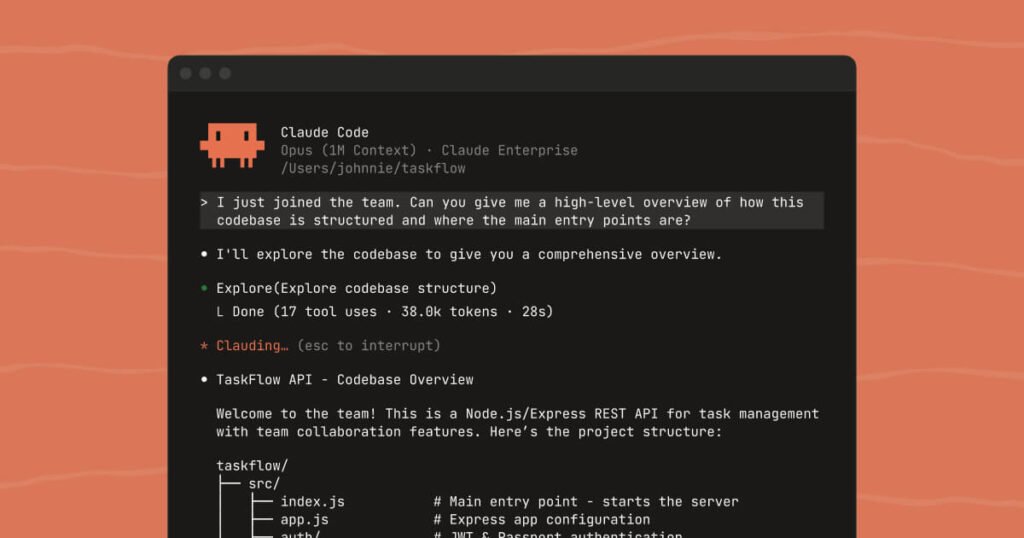
For those of us who write code, Claude Code remains the crown jewel. It’s a terminal-based AI coding agent that reads your codebase, plans changes, edits multiple files simultaneously, runs tests, and iterates — all autonomously.
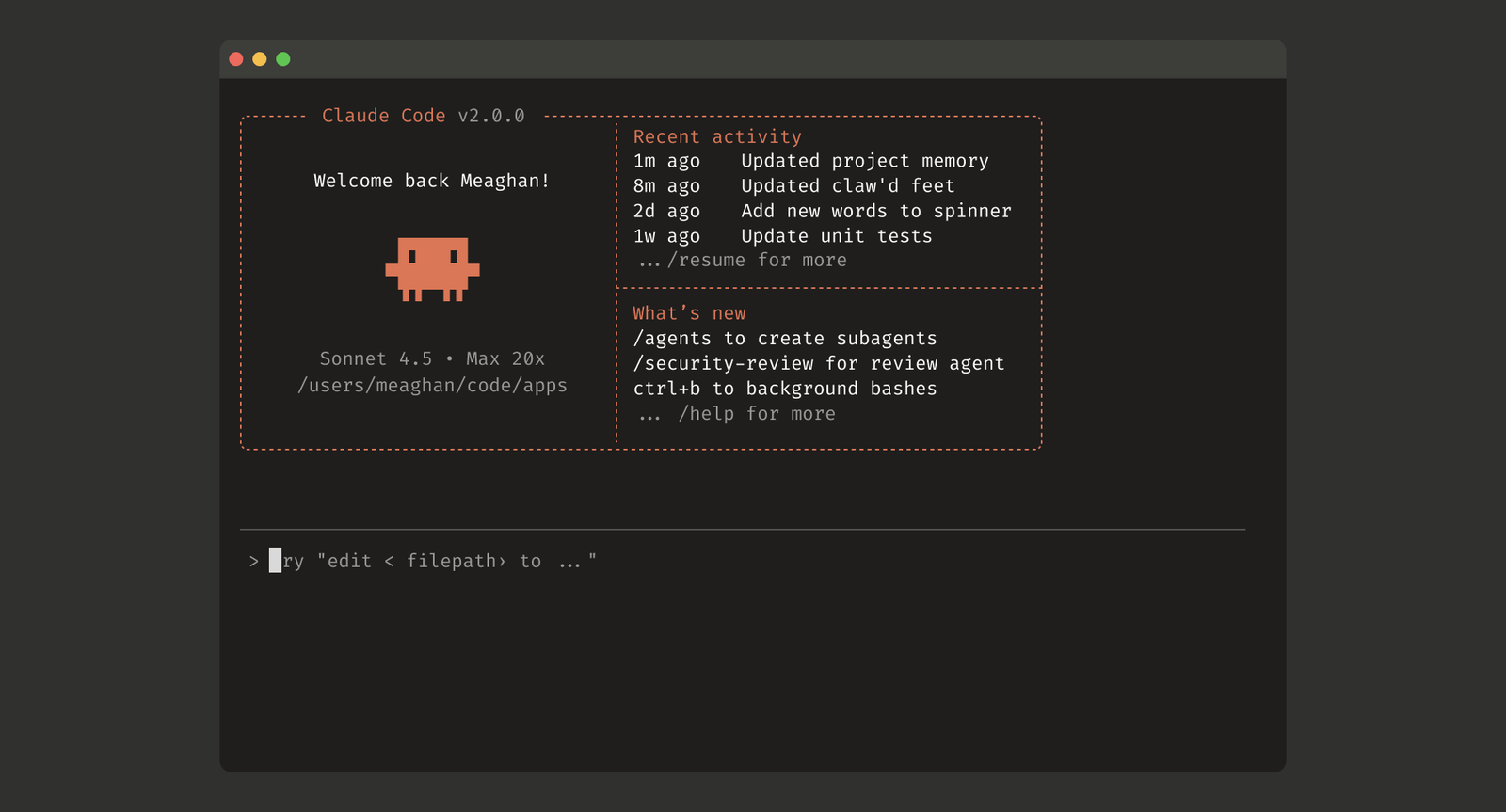
Since its launch in February 2025, Claude Code has gained:
- Checkpoints — Automatic code state saves before every change. Hit Escape twice to rewind. Persists for 30 days.
- Subagents — Spin up parallel helper agents. One writes tests while another refactors, coordinated by a lead agent.
- Hooks — Shell scripts that fire automatically at lifecycle events. Tests after every code change. Linting before every commit. Set it once, forget it.
- MCP (Model Context Protocol) — A universal adapter connecting Claude to GitHub, databases, APIs, and hundreds of external tools.
- Background tasks — Dev servers and monitoring processes run without blocking your main workflow.
- Skills ecosystem — Reusable, organized workflows that Claude loads dynamically. Content pipelines, deployment scripts, review workflows.
By late 2025, Claude Code had reached approximately $1 billion in annualized revenue. Engineers surveyed by Anthropic reported using Claude for about 60% of their work with a 50% productivity boost.
Claude Cowork: OpenClaw’s Real Competitor
Launched in January 2026, Cowork is “Claude Code without the code.” It’s an agentic tool designed for non-developers — the same autonomous task completion without touching a terminal.

Give Claude access to a folder. Describe what you want. Watch it work.
Cowork has native connectors for Slack, Google Workspace, Notion, and DocuSign. It gained Computer Use in March 2026. And here’s a fun fact: Anthropic reportedly built the entire Cowork feature in about a week and a half, using Claude Code itself.
The Hidden “Orbits” Framework
Someone discovered hidden code in the Claude app revealing what appears to be Anthropic’s upcoming mobile automation framework. It references maps, phone calls, composing messages, browser takeover, and calendar integration. If this ships, Claude won’t just control your desktop — it’ll control your phone too.
Where Claude’s Approach Beats OpenClaw
Safety and Sandboxing
This is the big one. Claude runs in a sandboxed environment. OpenClaw has full system access. For the average, non-highly-technical user, Claude’s approach is dramatically safer.
OpenClaw with the wrong configuration, a prompt injection, or a poorly-written community skill could do serious damage to your system. Claude Code asks for permission before every action. You see exactly what it wants to do. You approve or deny. The blast radius is limited by design.
Beginner Friendliness
No command line. No self-hosting. No config files. No API keys to manage. Claude’s ecosystem works out of the box for anyone with a Pro or Max subscription. OpenClaw requires technical setup that excludes most non-developers.
Built-in Connectors
Slack, Google Calendar, Gmail, Notion — these work natively in Claude without installing anything. OpenClaw requires community-built skills and manual configuration for each integration.
Subsidized Pricing
On the Max plan ($200/month), you get a token quota that would cost 10-20x more at actual API prices. OpenClaw users paying per-API-call face real costs that add up quickly for heavy agentic use.
No Prompt Injection Risk From Community Registries
OpenClaw’s community skill ecosystem is powerful but introduces security risks. Skills from unknown authors can contain malicious instructions. Claude’s skills are managed within your own organization or personal setup.
Where OpenClaw Still Wins
I should be honest about this. OpenClaw isn’t going anywhere. Not by a long shot.
Model Freedom
OpenClaw works with ANY LLM. Claude locks you into Anthropic’s models. For many power users, the ability to swap models per task is critical. Need real-time search? Route to Grok 420. Need cheap batch processing? Use a local model. Need maximum reasoning? Switch to whatever frontier model is best that month. OpenClaw lets you do all of this.
Platform Freedom
OpenClaw runs on Linux, Mac, Windows, Raspberry Pi, headless servers, cloud VMs. Claude’s Computer Use and Cowork features are currently Mac-only. If you’re on Windows or Linux, OpenClaw is your only option for the full agent experience.
Deep Personalization and Memory
This is where OpenClaw still leads significantly. After running OpenClaw for months, it builds deep context about your life, goals, preferences, and workflows. Switching back to a regular chatbot feels like losing a colleague who knows you.
Claude has memory features, but they’re more limited. The depth of personalization that comes from OpenClaw running 24/7 with full file system access, accumulating context about everything you do, is something Claude hasn’t matched yet.
Sensitive Personal Data
Health records, financial data, medical blood work results — OpenClaw handles these locally without corporate liability concerns. When you control the data pipeline end to end, the legal and privacy implications are different. Anthropic, as a corporation, can’t take on the liability of processing your medical data through their servers the same way.
Community Scale
OpenClaw has a massive, global open source community building skills and extensions. Claude’s ecosystem, while growing, is still primarily driven by Anthropic’s team. The sheer volume of community innovation around OpenClaw is hard to replicate.
The Real Game-Changer: Working From Your Phone
Here’s what excites me most about Claude’s ecosystem, and why I think it has surpassed OpenClaw for most practical use cases.
With Dispatch in Cowork and remote sessions in Claude Code, I can run local sessions from my phone. Combined with both local and cloud-based scheduled activities, I can now do a significant amount of work without sitting at my local computer — right from my phone or tablet.
All of this combined allows me to create scheduled, powerful workflows that make me dramatically more productive than before. A content pipeline that writes, formats, and publishes. A code review workflow that runs on schedule. Monitoring tasks that alert me when something needs attention. All accessible from any device.
This isn’t just about having a personal AI agent. It’s about having an AI colleague that works across your entire digital workflow — coding, writing, publishing, file management, email — accessible from anywhere, running tasks even when you’re not at your desk.
OpenClaw pioneered this vision. But Claude’s ecosystem delivers it with better safety, easier setup, and tighter integration — for 90% of users.
The Verdict: OpenClaw Isn’t Dead, But Claude Owns the Mainstream
The pattern here is familiar. Facebook copied Snapchat Stories. Apple absorbs popular third-party iOS features. Salesforce rebuilds CRM integrations that startups created. A big platform sees something innovative, rebuilds it natively, and the startup faces an existential threat.
But this isn’t quite the same story. OpenClaw created an entire category. Peter Steinberger went to work for OpenAI. NVIDIA launched NemoClaw. Every major tech company is adding “claw” features. The genie is out of the bottle.
For power users who need model flexibility, cross-platform support, deep personalization, or full control over their data pipeline, OpenClaw remains unmatched.
For everyone else — and that’s the vast majority of people who were excited about OpenClaw but intimidated by the setup, worried about security, or just wanting something that works out of the box — Claude’s ecosystem is now the better choice.
Claude Code is as powerful as OpenClaw and way safer for most people. With the broader Claude ecosystem backing it — Cowork, Dispatch, Computer Use, MCP, Skills, scheduled tasks — it’s not just an alternative to OpenClaw. For most users, it’s the upgrade.
The AI agent era that OpenClaw ignited is just getting started. And Anthropic is shipping faster than anyone.