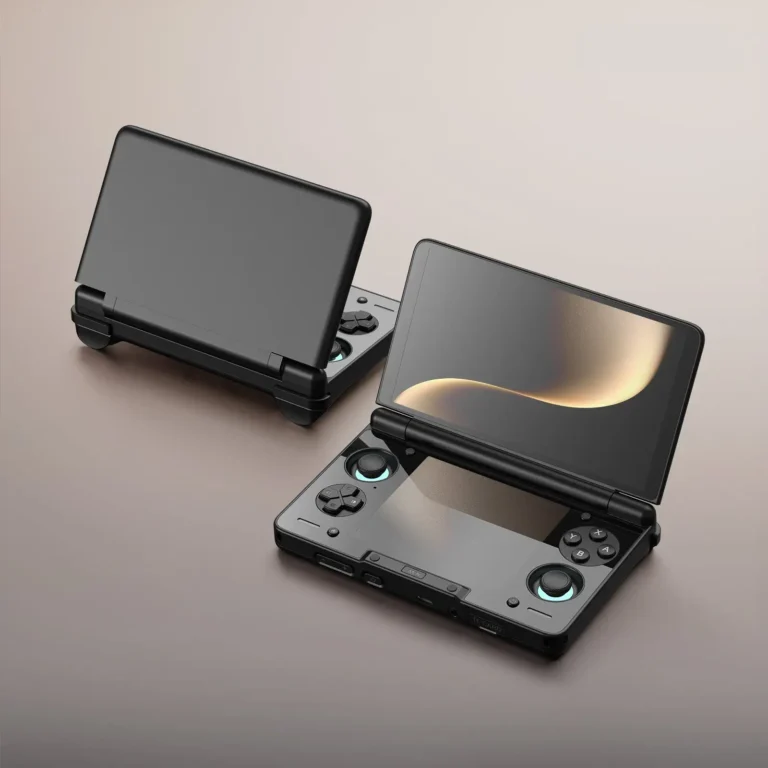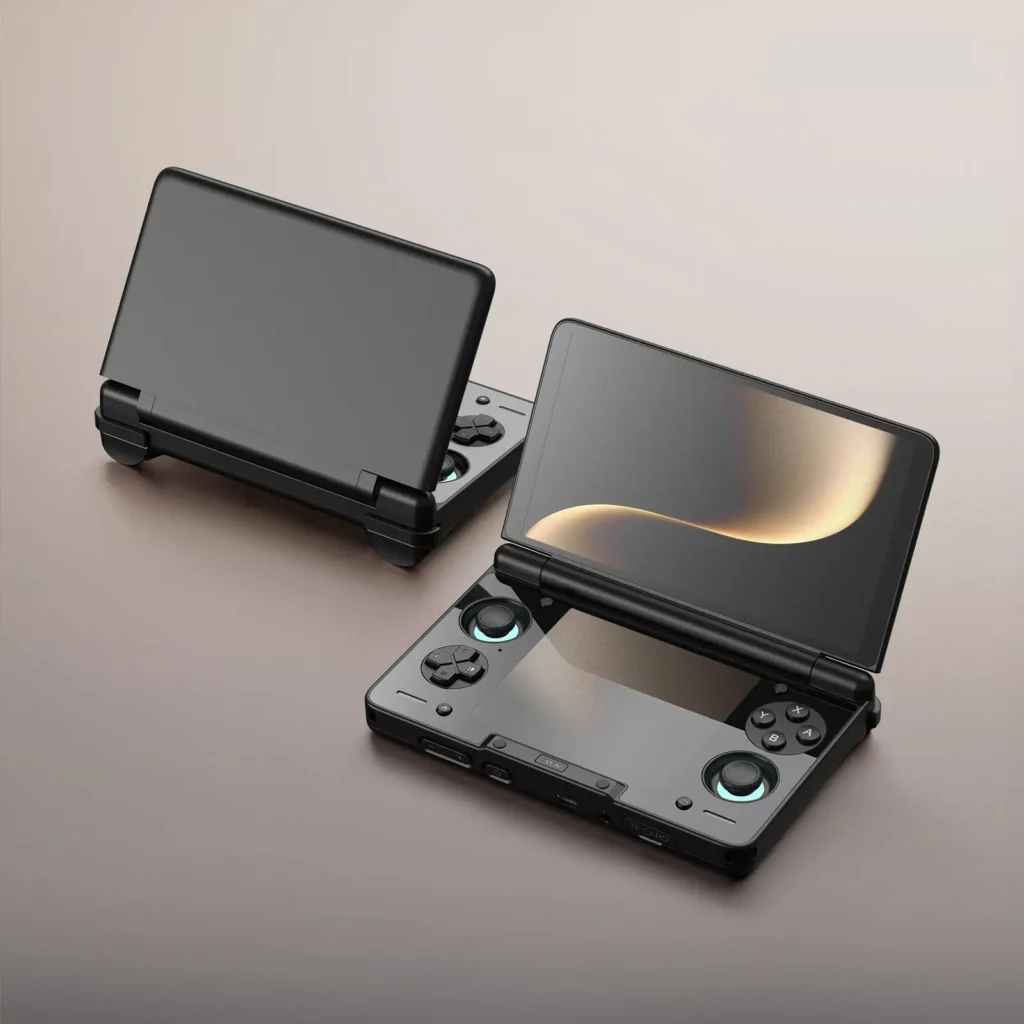
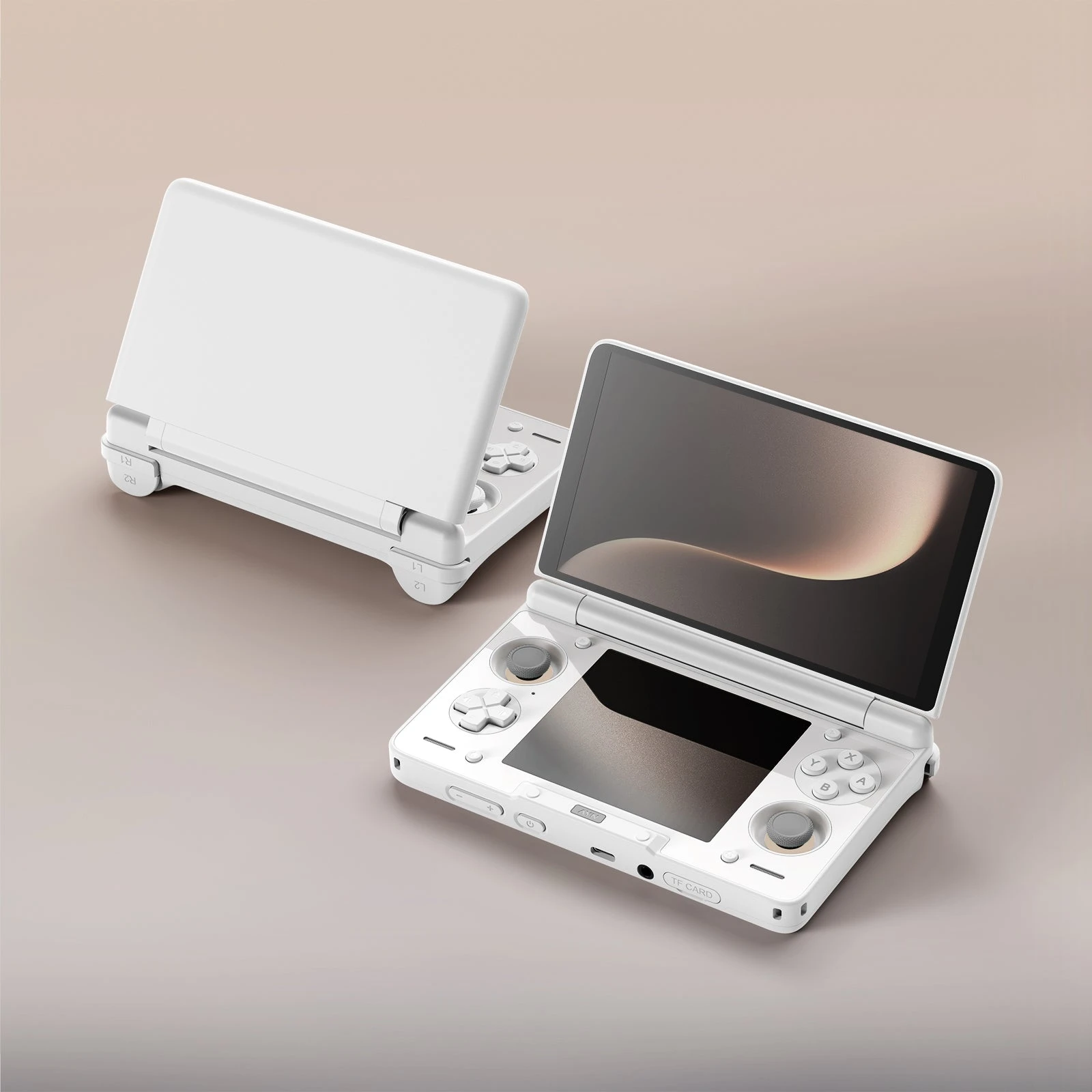
AYN has confirmed another round of price increases on its popular dual-screen THOR gaming handheld, with new pricing taking effect on March 1, 2026. The culprit? An industry-wide memory crisis driven by insatiable AI datacenter demand that’s squeezing RAM and storage supply for everyone else.
Here’s what changed, why it’s happening, and what it means if you’re eyeing a gaming handheld in 2026.
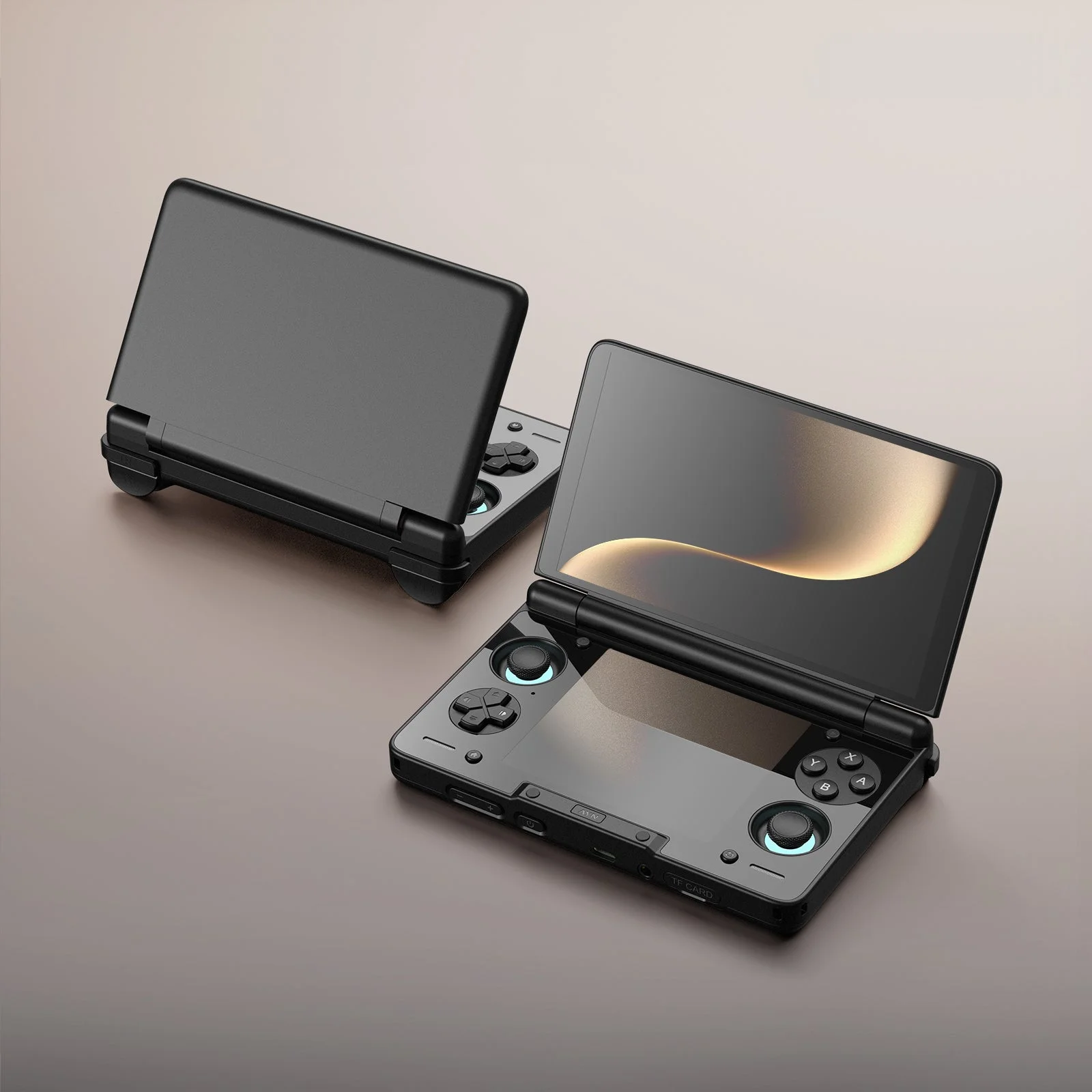
AYN THOR Price Increase: What Changed
AYN announced the price adjustment on its Discord server, citing direct communication from its DRAM and storage supplier confirming that component costs are rising. The company stated:
“Our DRAM and storage supplier has officially confirmed that starting with February orders, DRAM and storage costs are increasing.”
AYN also noted that memory pricing pressure is expected to continue for approximately the next year, alongside exchange rate volatility and increased material costs. This marks the second price hike for the Thor in 2026.
AYN THOR New Pricing (Effective March 1, 2026)
| Model | Specs | Old Price | New Price | Increase |
|---|---|---|---|---|
| Thor Lite | SD865 / 8GB / 128GB | $249 | $249 | Unchanged |
| Thor Base | 8 Gen 2 / 8GB / 128GB | $309 | $319 | +$10 |
| Thor Pro | 8 Gen 2 / 12GB / 256GB | $369 | $399 | +$30 |
| Thor Max | 8 Gen 2 / 16GB / 1TB | $449 | $489 | +$40 |
The pattern is clear: the more RAM and storage a model carries, the larger the price increase. The Lite model, with its older Snapdragon 865 chip and modest 8GB/128GB configuration, stays at $249. But the flagship Max model, packing 16GB of RAM and a full terabyte of storage, jumps $40.
AYN’s Odin 3 handheld was also hit with similar increases, ranging from +$10 on the Base to +$40 on the Pro and Max tiers. Earlier batch pre-orders were grandfathered in at old pricing.

Why Prices Are Rising: The AI Memory Crisis
AYN’s price increase isn’t happening in isolation. The entire semiconductor memory market is in the grip of what analysts are calling a memory supercycle, driven almost entirely by artificial intelligence infrastructure.
According to TrendForce’s Q1 2026 report, memory prices are surging at record-breaking rates:
- Conventional DRAM: Up 90-95% quarter-over-quarter in Q1 2026
- PC DRAM: Up over 100% QoQ, a new record
- Mobile DRAM (LPDDR5): Up approximately 90% QoQ
- Enterprise SSDs: Up 53-58% QoQ
- General NAND Flash: Up 55-60% QoQ
And it’s not slowing down. Tom’s Hardware reports that Q2 2026 forecasts call for another 63% increase in DRAM and up to 75% in NAND Flash prices.
The Root Cause: HBM for AI Chips
The root cause is straightforward: memory manufacturers like Samsung, SK Hynix, and Micron are reallocating production capacity away from consumer-grade DRAM and toward High Bandwidth Memory (HBM) used in AI accelerator chips from NVIDIA, AMD, and others. HBM is significantly more profitable, so manufacturers are prioritizing it.
According to TrendForce, AI applications are expected to consume nearly 20% of global DRAM wafer capacity by 2026, with HBM demand projected to grow over 130% year-over-year. That capacity has to come from somewhere, and it’s coming from the consumer memory supply.
Consumer SSD prices have already doubled in some cases. A 1TB consumer SSD that cost around $45 in early 2025 now goes for close to $90.
The Ripple Effect: Who Else Is Affected
AYN is far from the only manufacturer feeling the squeeze. The AI-driven memory shortage is hitting the entire consumer electronics industry:
- Lenovo Legion Go 2: Price jumped $650 in six months, from $1,350 to $2,000 for the top model — a 48% increase.
- AYANEO Next 2: Canceled entirely. Component costs would have pushed the price to $4,000, nearly double the original target.
- ASUS ROG Ally: Price hikes announced from January 2026.
- Anbernic: Downgraded the RG34XXSP from 2GB to 1GB RAM rather than raise prices.
- Dell, Lenovo, HP: Signaling 15-20% price hikes across PC lineups for early 2026.
- Smartphones: Some brands returning to 4GB RAM in budget models according to TrendForce, downgrading specs to keep prices manageable.
As Kotaku aptly put it, this is “The RAM Apocalypse,” and it’s hitting PC gaming handhelds particularly hard because these devices pack high-capacity memory and storage into compact, cost-sensitive form factors.
What This Means for Buyers
Despite the increases, the AYN THOR remains one of the most competitively priced dual-screen gaming handhelds on the market. Starting at $249 for the Lite and $319 for the Snapdragon 8 Gen 2-powered Base model, it’s a fraction of what you’d pay for a Legion Go 2 or ROG Ally.
Here’s what to consider:
- Prices aren’t coming down anytime soon. AYN’s supplier says memory pricing pressure will last approximately another year, and TrendForce forecasts confirm continued increases through at least Q2 2026.
- Buy sooner rather than later. Batch 5 pre-orders are currently open at ayntec.com, with shipping slated for May. Future batches may come at even higher prices.
- The Pro at $399 hits the sweet spot. With 12GB RAM and 256GB storage on the Snapdragon 8 Gen 2, it offers the best balance of performance and value without the premium jump to the Max tier.
- The Lite at $249 is still untouched. If you’re primarily interested in retro gaming and emulation, the Snapdragon 865-based Lite hasn’t been affected by price increases.
The Bottom Line
The AYN THOR price increase is a symptom of a much larger problem. The AI boom is reshaping the global semiconductor supply chain, and consumer electronics — from gaming handhelds to laptops to smartphones — are absorbing the cost. Memory makers are chasing the higher margins of AI infrastructure, and the rest of the market is left competing for what’s left.
For gaming handheld enthusiasts, the message is clear: lock in current prices while you can. The memory crisis isn’t going away anytime soon, and the AYN THOR, even at its new pricing, remains one of the most affordable options in a market that’s getting more expensive by the quarter.